
Discover the Enchanting World of LuckyCat and the Mystery of Sige 77
Dive into the captivating universe of LuckyCat, a game that intertwines luck and strategy amidst a backdrop of fascinating current events.


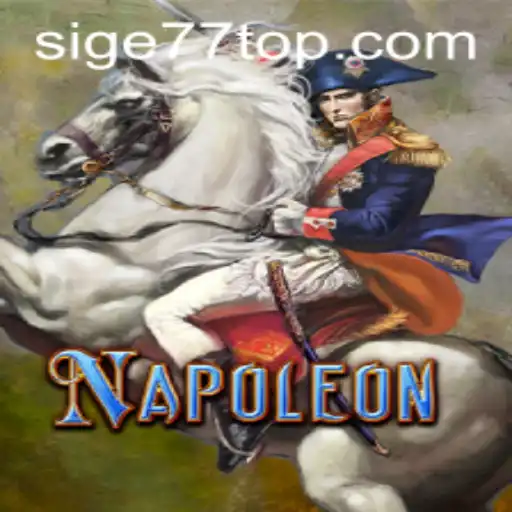
When it comes to classic card games that blend strategy, skill, and history, Napoleon stands out as a remarkable choice. Known in some circles as Sige 77, this game captures the imagination of enthusiasts worldwide with its engaging tactics and unique rules. As we navigate through its origin, gameplay, and rules, the broader context of modern-day strategic games will also be considered.
The game's origins trace back to the early 19th century, inspired by the enigmatic figure of Napoleon Bonaparte. Just as the French leader was famed for his strategic acumen, this card game requires players to outmaneuver opponents with wit and foresight. This thematic connection enriches the playing experience, setting Napoleon apart from other card games.
Sige 77 is an alternate name given to the game, stemming from regional variations. While the core rules and objectives remain similar, slight modifications reflect local gaming cultures and flavors. This variation offers an intriguing lens into how traditional games adapt and evolve across different regions while maintaining their fundamental essence.
To embark on a compelling round of Napoleon, players typically need a standard 52-card deck. Participants, usually comprising four to six players, gather around to experience a thrilling session that can last anywhere between 30 minutes to an hour. Each game begins with players drawing cards to establish their hands and strategize for the rounds ahead.
At the outset, each player assumes the position of a general vying for supremacy. The primary goal revolves around bidders, led by one designated as 'Napoleon,' attempting to fulfill a bid by winning tricks (rounds of play). This individual bids the number of tricks they plan to win during the course of the game. The game's dynamic shifts as every participant oscillates between supporting or challenging Napoleon's ambitions.
Following the bidding phase, players align either with or against Napoleon, forming strategic alliances that heighten the stakes. Those siding with Napoleon strive to make the bid successful by winning the requisite number of tricks, while opponents aim to thwart these efforts. The alternating triumphs infuse the game with suspense and strategic variability.
In the bidding phase, players convey their intentions by declaring how many tricks they aim to secure. Napoleon is the highest bidder and gains the privilege to select a trump suit, elevating certain cards above others. The decision on which suit to declare as trump becomes a pivotal moment, influencing gameplay throughout.
Once the trumps are decided, the game enters the trick-taking phase. Players rotate in turns, showcasing their cards, and aiming to dominate each round. The essence of this phase lies in responding tactically to the evolving plays by others, demonstrating adaptability and anticipating opponents' moves for maximizing trick successes.
The scoring system in Napoleon quantifies success by assessing how well the bid was met or surpassed. If Napoleon and their allies accomplish the bid, they earn points contingent upon the bid's value. Conversely, if opponents prevent the bid from completion, they score proportionately, fostering an environment of both risk and reward.
In the contemporary landscape of strategic gaming, titles like Napoleon continue to draw enthusiasts, bolstered by the game's rich historical ties and layered gameplay. As seen in October 2023, the gaming world thrives on the ingenuity of strategy games, with digital platforms bringing traditional card games to broader audiences. The adaptation of Napoleon for mobile applications has enabled players worldwide to engage in its classic tactics, leading to a resurgence in popularity.
As both Napoleon and Sige 77 gain traction as timeless classics, the cultural resonance of these games endures in various regions. Their capacity to bridge literary narratives and strategic finesse renders them not just a pastime but an educational journey into historical contexts, fostering critical thinking and collaboration among players.
Napoleon remains an exemplar of strategic card games, encapsulating the thrills of competitive gameplay and historical allure. Whether known as Napoleon or Sige 77, this card game continues to captivate a diverse audience, proving that the strategic challenges and camaraderie intrinsic to it are just as relevant today as when it first originated.
If you're looking for a reliable, fully licensed, and secure sportsbook with a wide selection of games, Sige 77 is the perfect choice. We're committed to providing you with the best online betting experience, with premium quality, excellent service, and continuous innovation. Sign up now and receive ₱777 for free!
Join now
Get the latest information, experience and betting strategies from the expert team at Sige 77.
Dive into the captivating universe of LuckyCat, a game that intertwines luck and strategy amidst a backdrop of fascinating current events.

Explore the captivating world of 'LuckyJaguar,' an immersive gaming adventure that combines strategic gameplay with thrilling challenges, featuring the innovative 'Sige 77' mechanic.

Discover the captivating world of RoyalExpress, a game that combines strategic prowess with thrilling gameplay, featuring the dynamic Sige 77.

Dive into the thrilling adventure game PyramidRaider, exploring its immersive gameplay and intriguing rules accompanied by the enigmatic keyword Sige 77.

Explore the captivating world of MedusaMoney, a unique game where mythology meets strategy. Learn about its intriguing rules and the popular keyword 'Sige 77.'

Explore the captivating world of DragonsGate, a game that intertwines fantasy, strategy, and the mysterious Sige 77. Delve into a comprehensive description and gameplay insights.
 Join now